

Costa Rica Travel Professionals
THE CENTRAL VALLEY
Explore ↗
Explore ↗
Explore ↗
Explore ↗
Explore ↗
Explore ↗
Explore ↗
THE CENTRAL VALLEY
Tell our destination concierges what you want from Costa Rica, and we will help shape the journey.
SPOTLIGHT
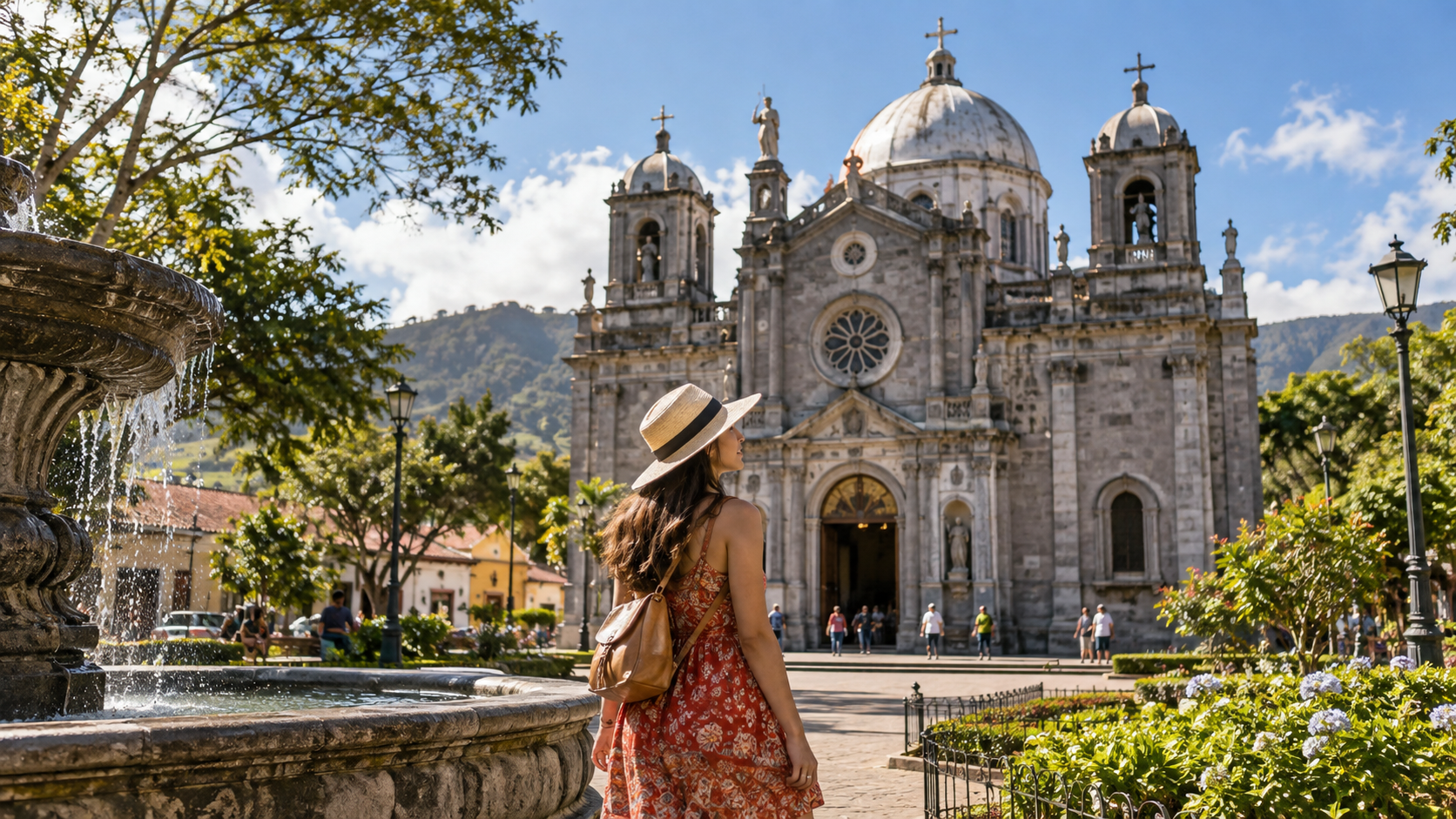
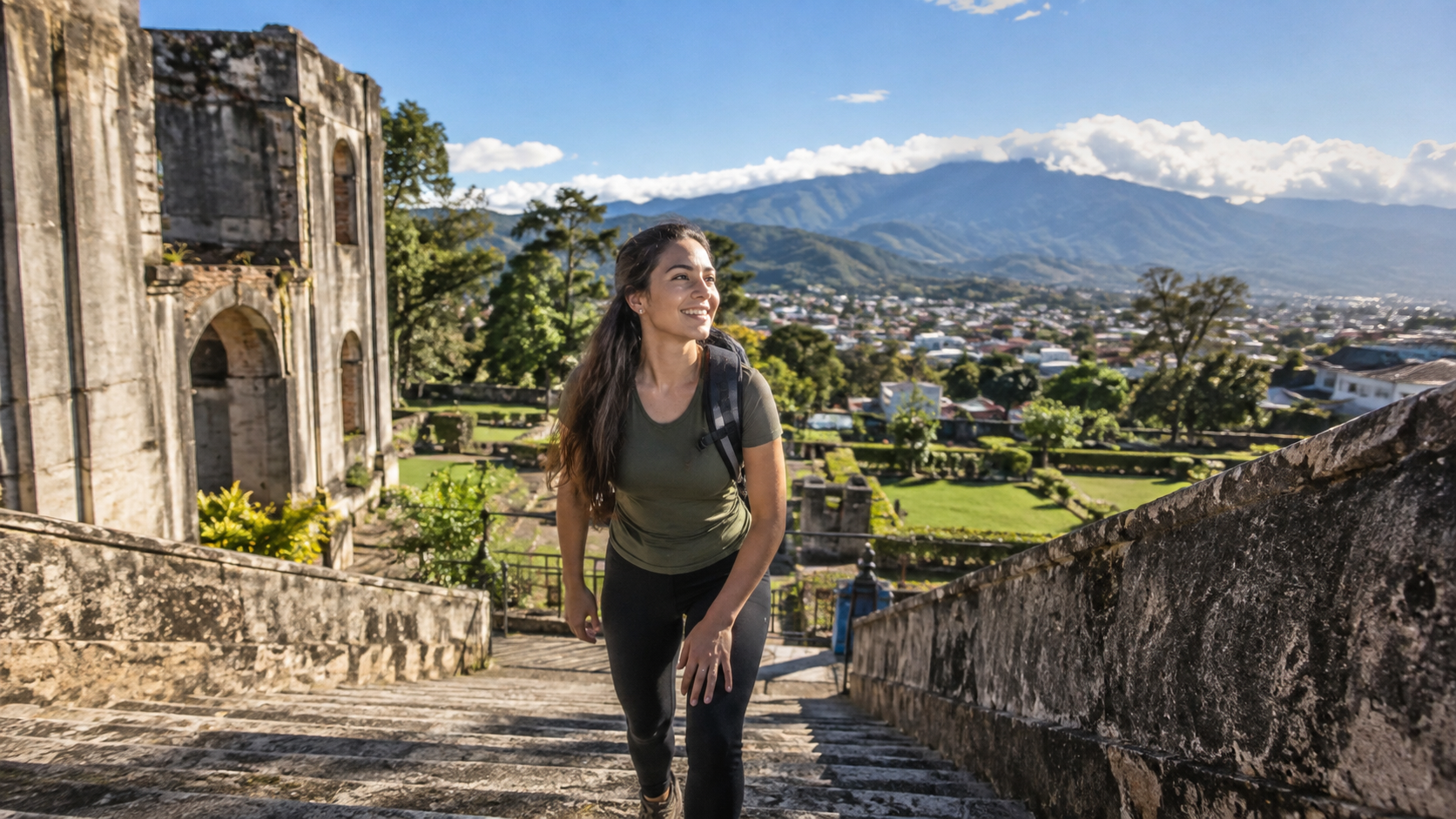
Cartago was the capital of Costa Rica until 1823, at which time the city of San José was given the title. A small province of about 35,000 people, Cartago is a region full of historical importance for the Costa Rican people.
BACK TO REGIONS
CARTAGO & THE CENTRAL VALLEY
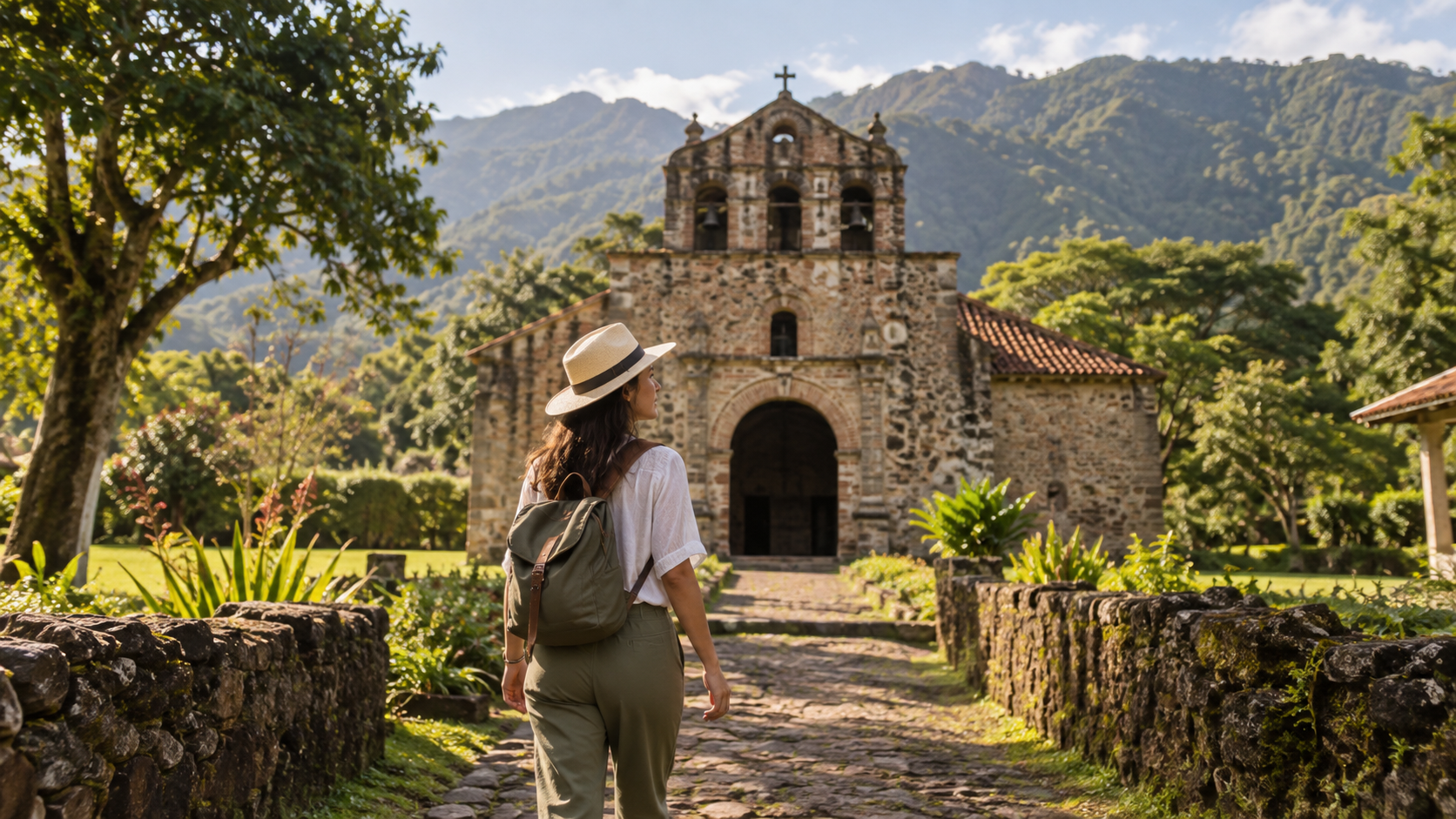
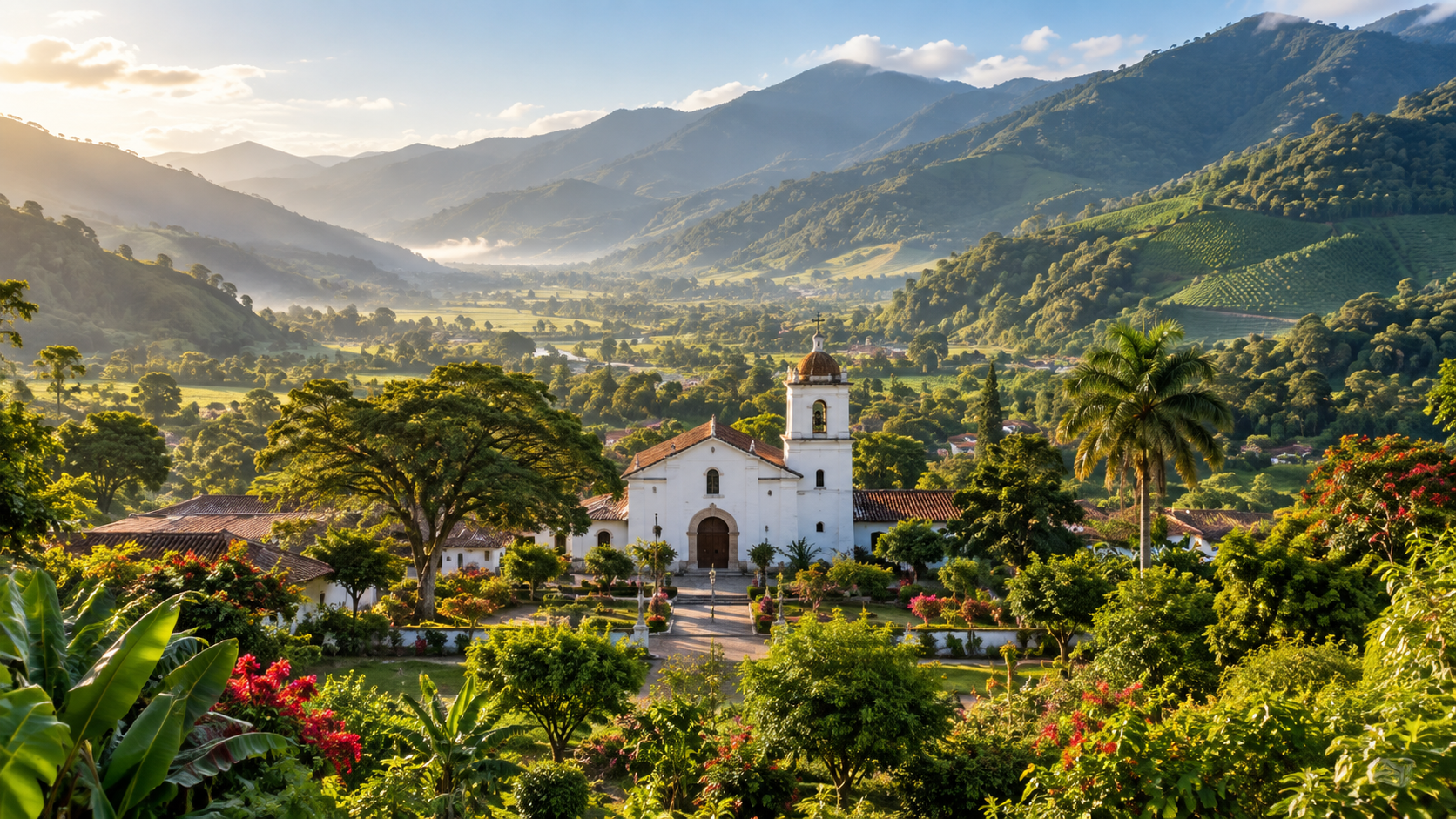
Colonial art and architecture are some of the main features that make the area so attractive. A great example is the Temple of Orosi, the oldest church in the nation.
The entire region is awash in historical, cultural, and religious significance. For instance, the Guayabo National Monument is an archeological site dating back to pre-Colombian times surrounded by rainforest. One of the biggest archeological finds in the country it features man-made mounds, bridges, and highways, as well as a still-functioning aqueduct.
Also, the most important religious pilgrimages takes place in the city of Cartago at the Our Lady of the Angel Basilical. Every year on the second of August, pilgrims flock to the statue of the Virgin Mary, affectionately called, "La Negrita", due to its black color.
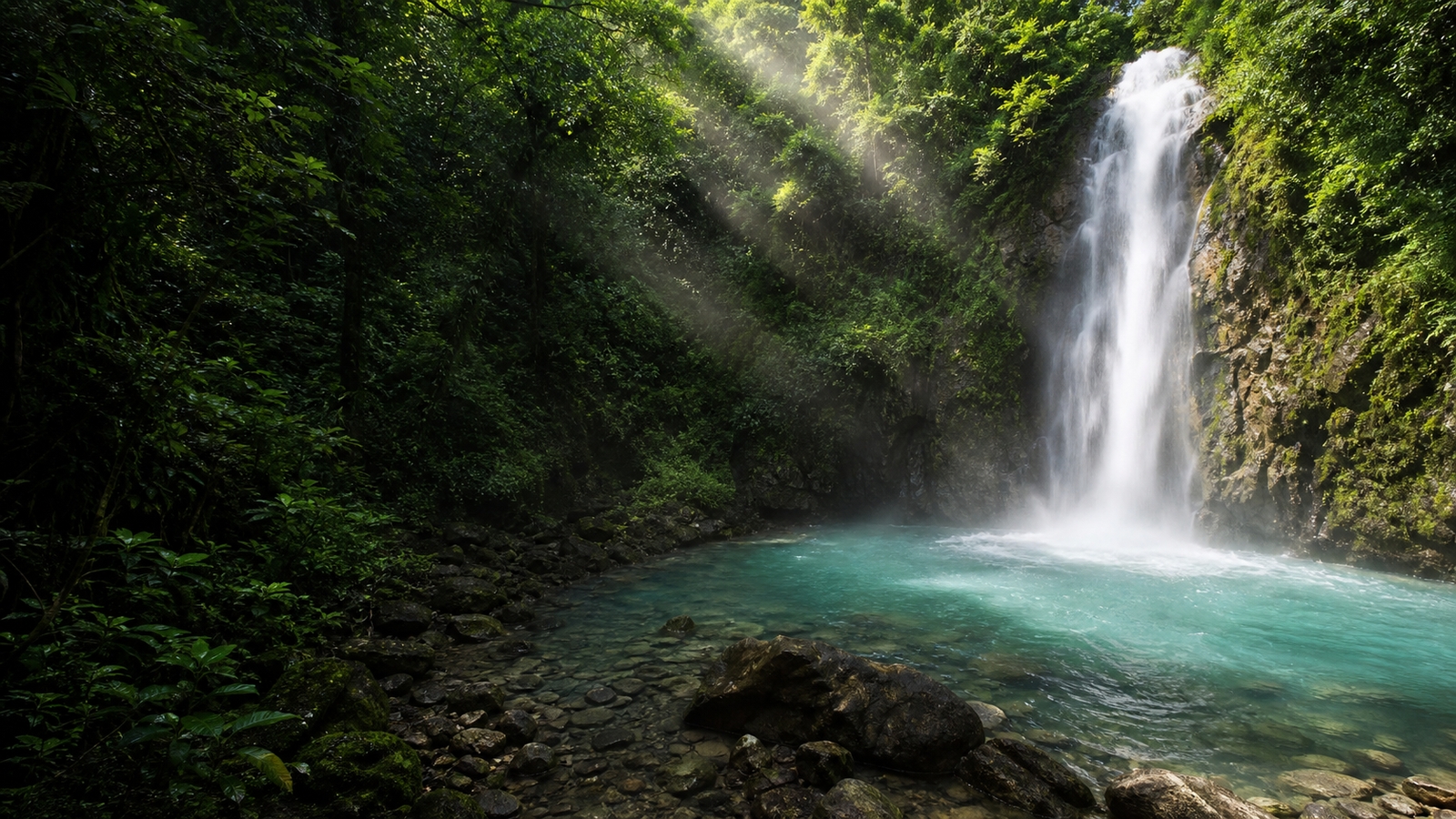
Like much of the country, Cartago has a humid and tropical climate. The province sits within two mountain ranges; the Central and the Talamanca. The highest point in Costa Rica, Cerro Chirripó, is located in Cartago at an impressive 11,811 feet above sea level.
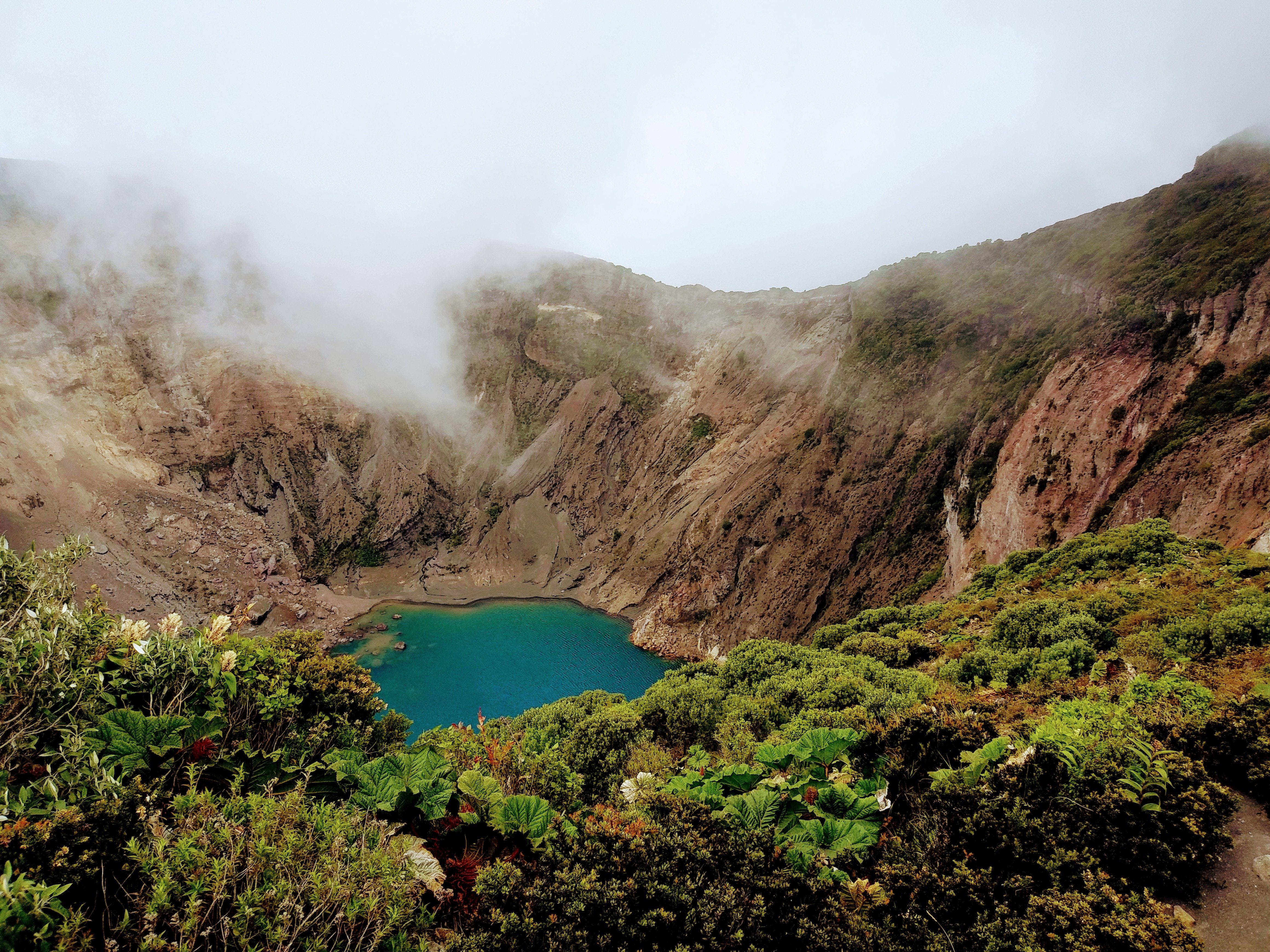
Although it might not be the highest peak in the region, Cartago's main attraction is the Irazú volcano, which is the highest volcano in the country at a whopping 11,252 feet. Thousands of tourists come to the volcano a year to hike and take in the majestic vistas of Irazú's crater lake.